In short
- Spring (March to May) brings mild temperatures for trail walks.
- Autumn (October to November) features colorful fall foliage.
- Winter highlights the frozen pillars in the lava caves.
In this article
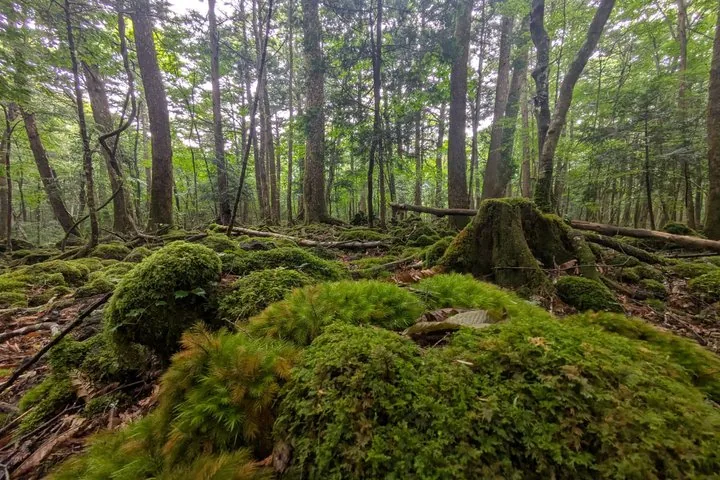
Aokigahara Forest is open year-round for visitors. The dense primeval forest sits between 900 and 1,300 meters above sea level, making it cooler than central Tokyo. You can plan your visit around your preferred weather conditions and natural sights.
Is spring a good time to visit Aokigahara?
Yes, spring offers mild hiking weather across the 30-square-kilometer forest.
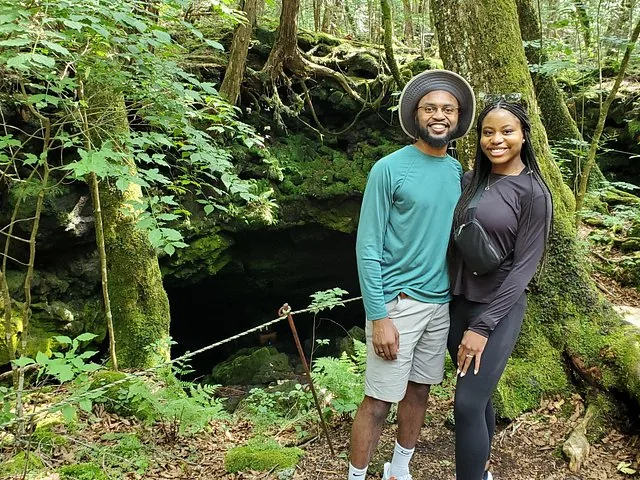
Between March and May, temperatures rise steadily. This makes it comfortable to walk the Tokai Nature Trail. The snow melts from the paths, giving you safer access to the porous volcanic rock trails.
Can you see fall foliage in Aokigahara Forest?
Yes, autumn brings colorful foliage to the forest canopy.
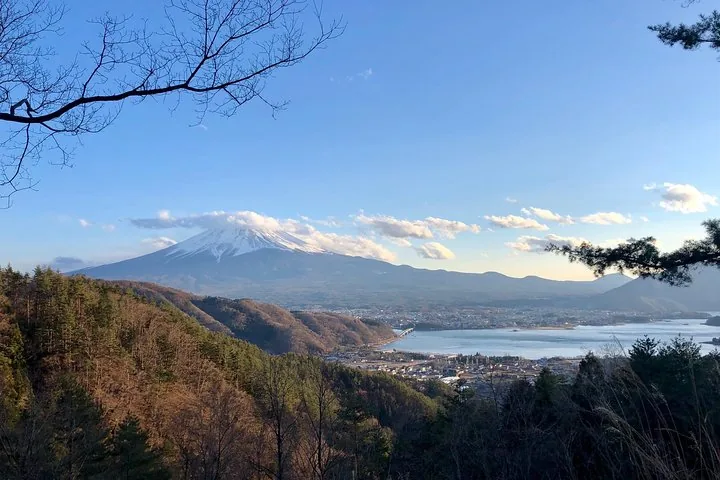
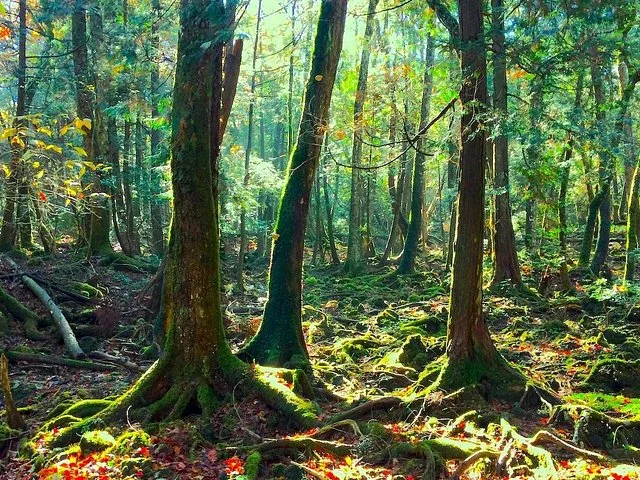
Visiting between October and November lets you see the changing leaves. The Koyo-dai Viewpoint offers a great vantage point of the tree canopy and Mount Fuji. Check visibility forecasts before hiking up to ensure clear views.
Can you visit Aokigahara Forest in winter?
Yes, the forest remains open in winter, and the caves feature impressive ice formations.
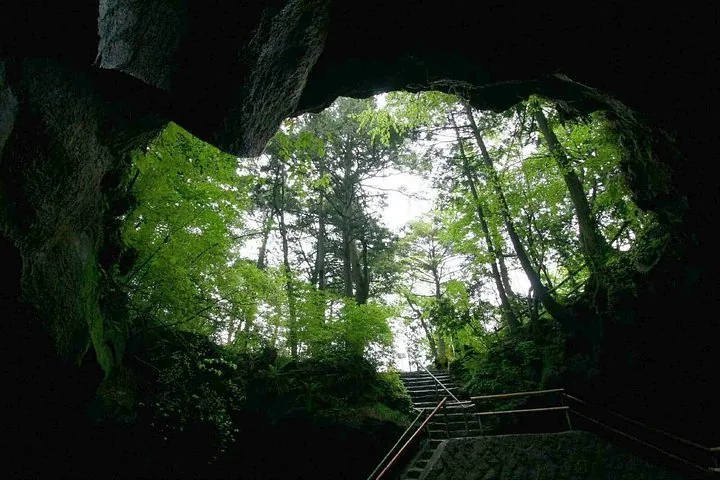
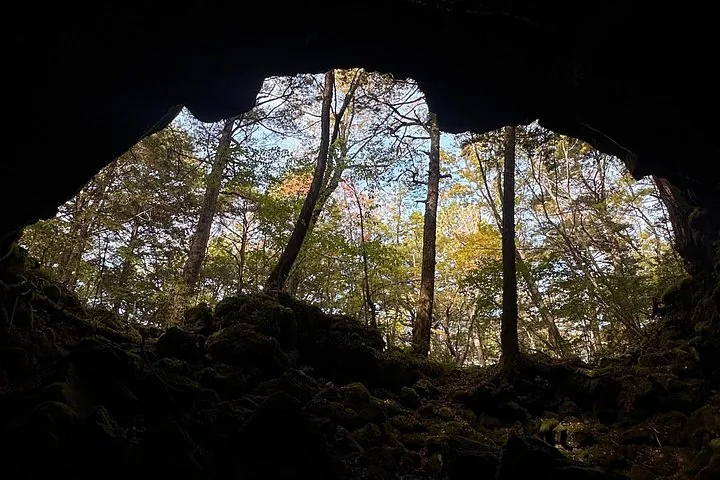
Winter is cold, but it is an excellent time to see the ice pillars. Head to the Narusawa Ice Cave, which descends 21 meters below ground. The Fugaku Wind Cave also maintains an average temperature of 3 degrees Celsius year-round.
How is Aokigahara Forest in summer?
Summer brings warmer weather, but the underground lava caves remain near freezing.
Even in summer, you need a warm jacket for the caves. The Narusawa Ice Cave keeps its ice pillars frozen year-round. Pack a rain jacket for sudden weather changes near Mount Fuji.
What time of day should you visit Aokigahara?
Visit during daylight hours only, as entering the forest after dark is prohibited.
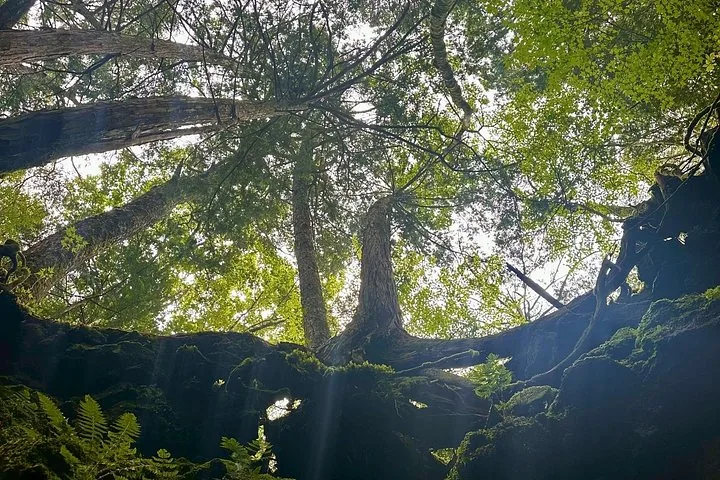
The forest floor is highly uneven due to hardened lava from the 864 CE eruption. Stick to marked trails and navigate during full daylight. Travel from central Tokyo takes roughly 2 to 2.5 hours, so start early.
When is the quietest time to visit Aokigahara?
Weekdays typically see fewer visitors than weekends.
If you want a quiet experience, arrive early on a weekday morning. The porous basalt lava rock absorbs sound, creating an unusually quiet environment. Booking a guided tour secures your transport and ensures a structured visit.
Questions travellers ask
Do you need a guide to visit Aokigahara Forest?
You can walk the marked trails for free, but a guided tour is highly recommended. Guides provide safety, navigation, and context on the unique geology.
What should I wear to explore Aokigahara Forest?
Wear sturdy hiking shoes with non-slip soles for the jagged lava rock. Bring a warm jacket for the caves, which remain near freezing year-round.
Are the trails clearly marked in Aokigahara?
Yes, designated paths like the Tokai Nature Trail are marked. You must stay on them at all times to avoid dangerous, unmarked deep forest areas.